City Place
| Former Names: |
|
|---|---|
| Address: | 333 St. Mary Avenue |
| Current Use: | Office and retail |
| Original Use: | Eaton’s Mail Order Towers |
| Constructed: | 1916, 1920, 1925 |
| Other Work: | 1977, 1994–1995, 2001 |
| Architects: |
|
| Engineers: |
|
| Contractors: |
|
Photographs
More Information
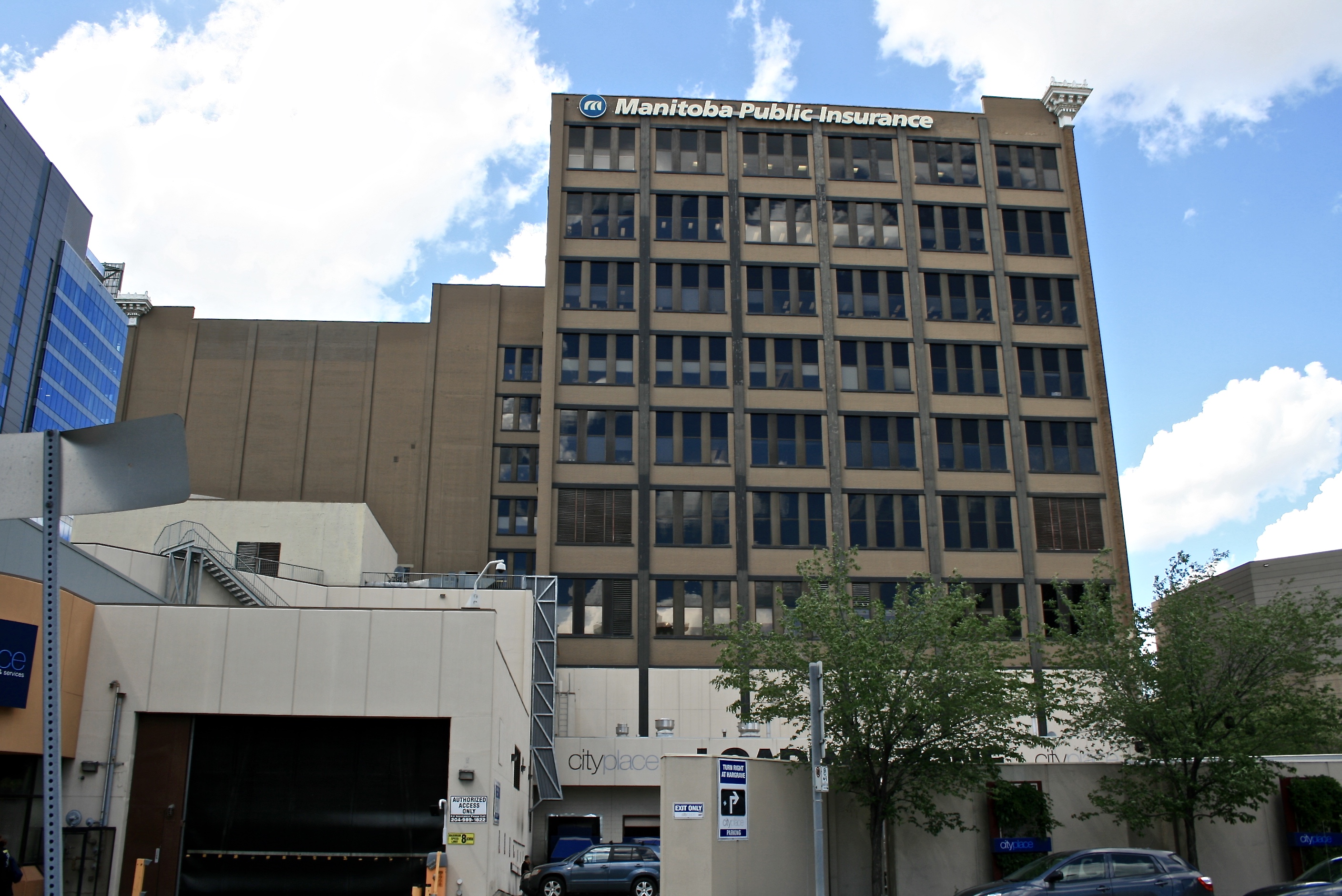
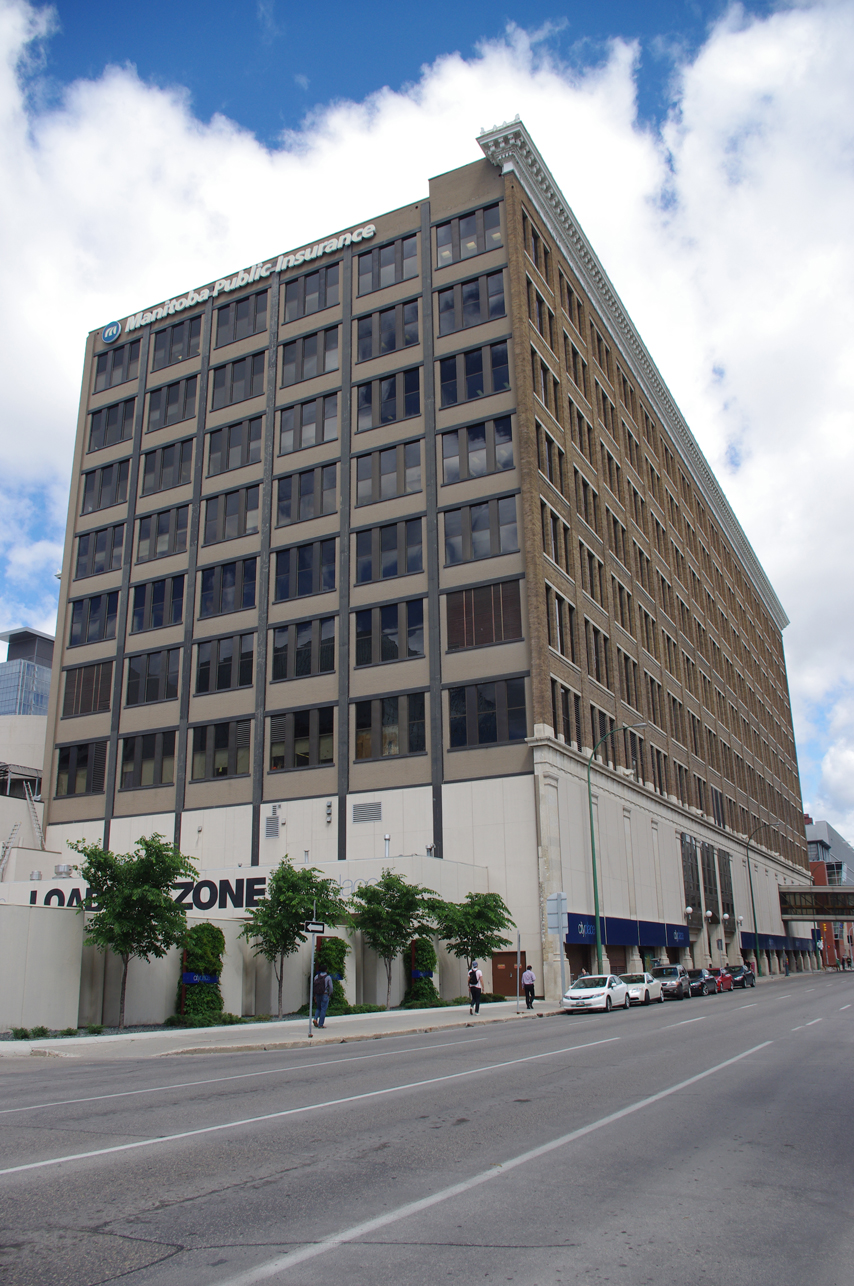
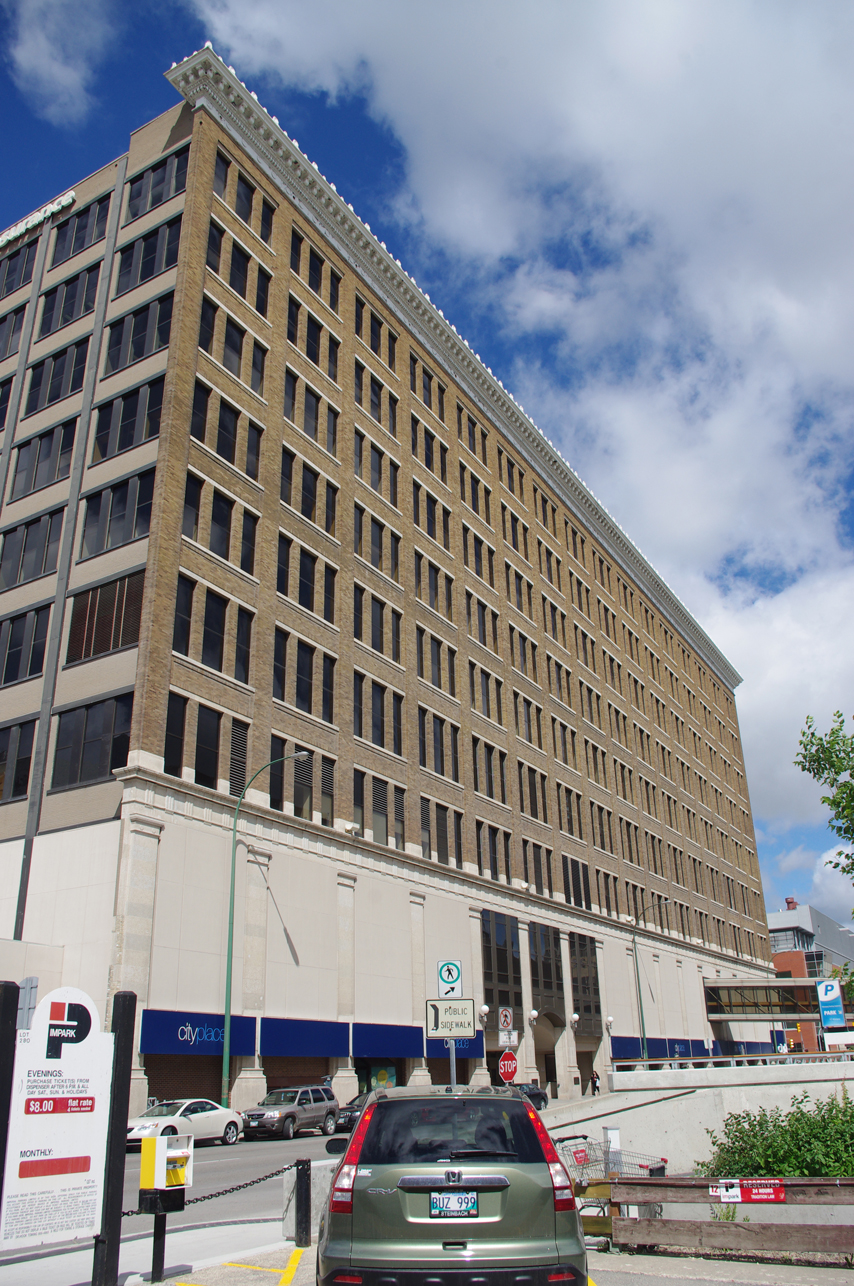
333 St. Mary was constructed in 1916 by E. C. Harvey and designed by the Graham Burnham Company. The building was initially intended to house the Eaton’s store while the Portage Avenue department store was demolished and rebuilt. 333 St. Mary was constructed in two phases. The first was an eight-storey building that would be the Mail Order Building Number One, the West tower along Hargrave. The second phase was to construct another building which would twin the previous with the addition of an extra storey along Donald Avenue. This occurred in 1920 with the help of architects Graham-Anderson, at a cost of $2.5 million. The first building later gained its final storey to match the height of Mail Order Building Number Two in 1925. Toward St. Mary Avenue was a smaller warehouse which today is used for parking.
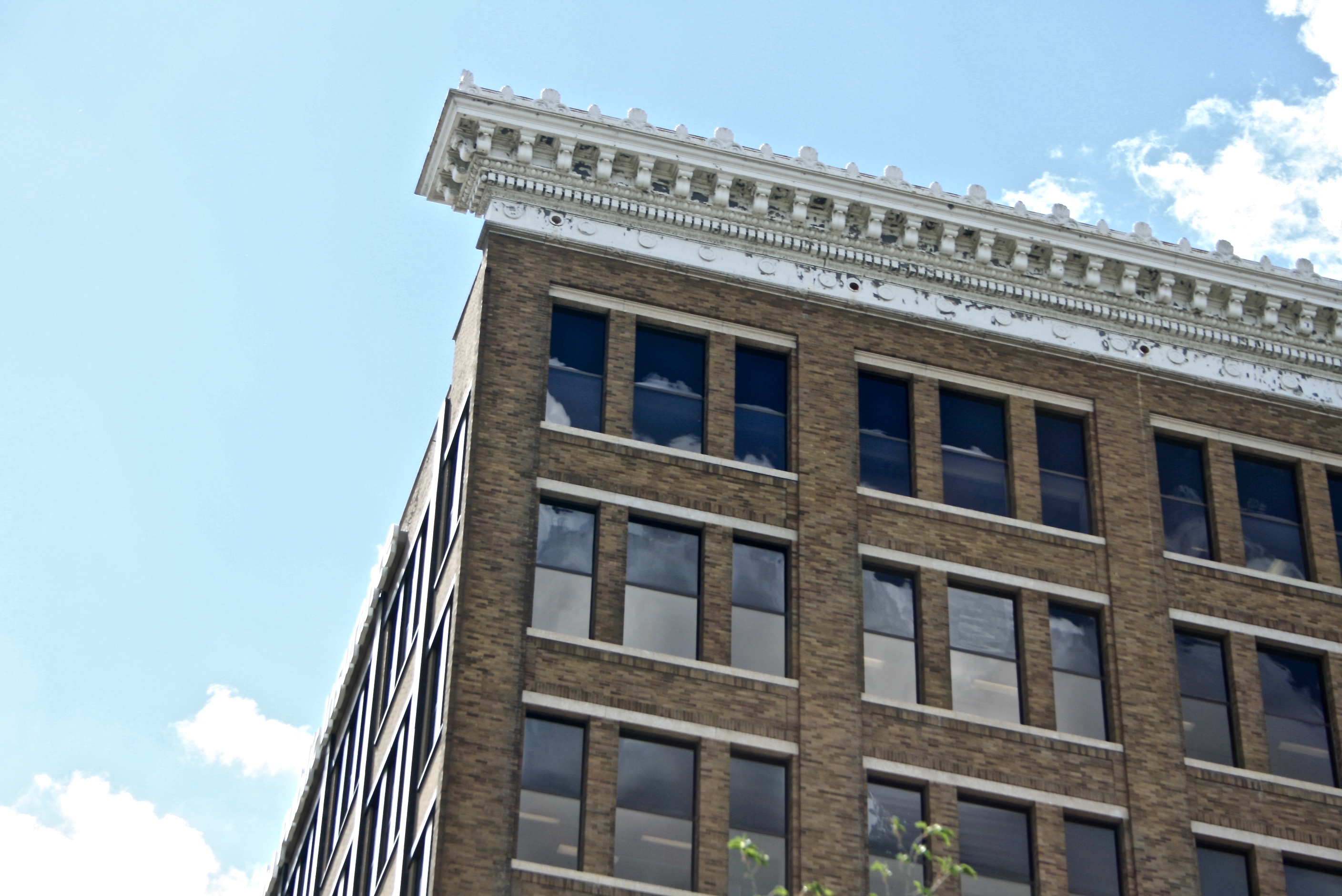
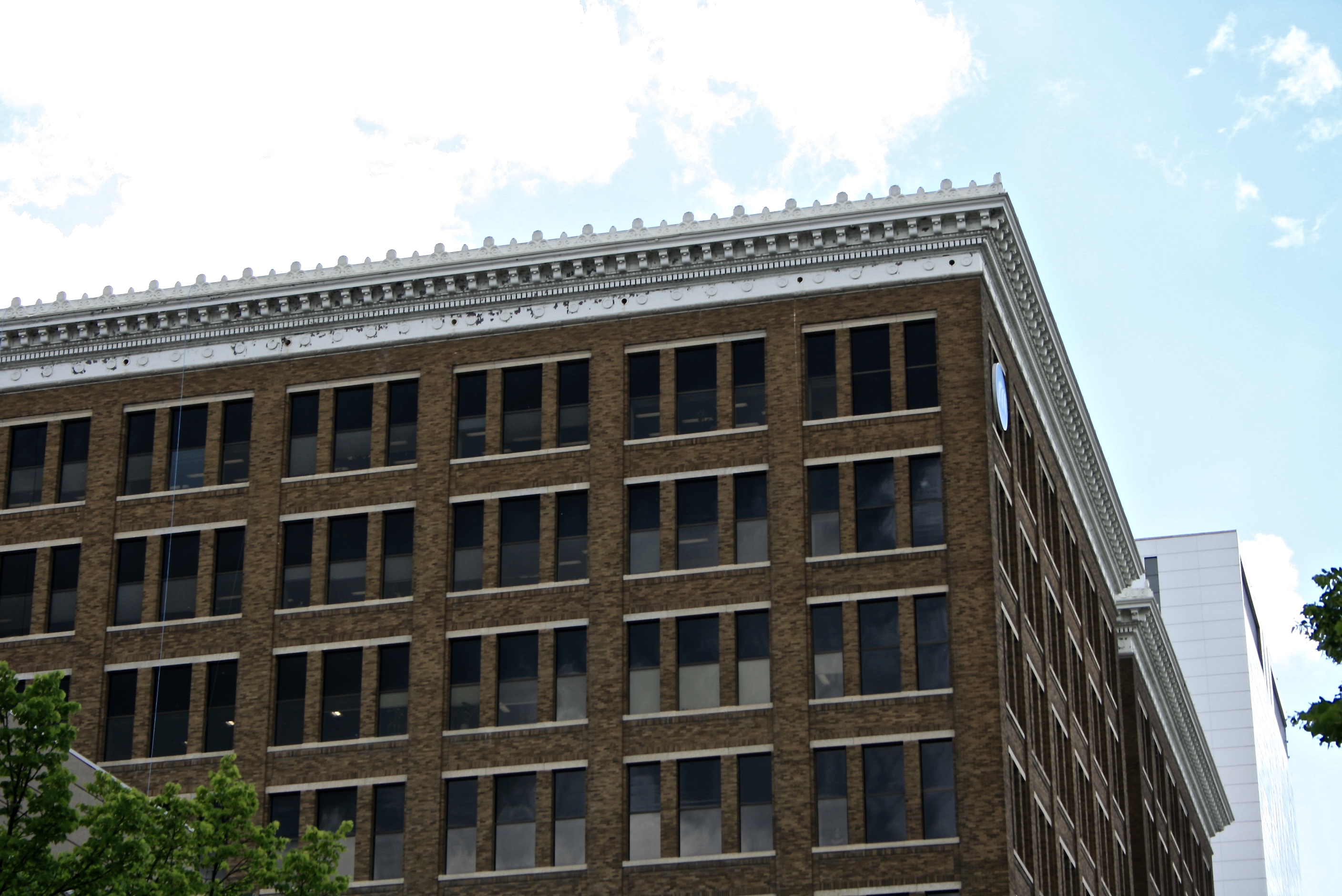
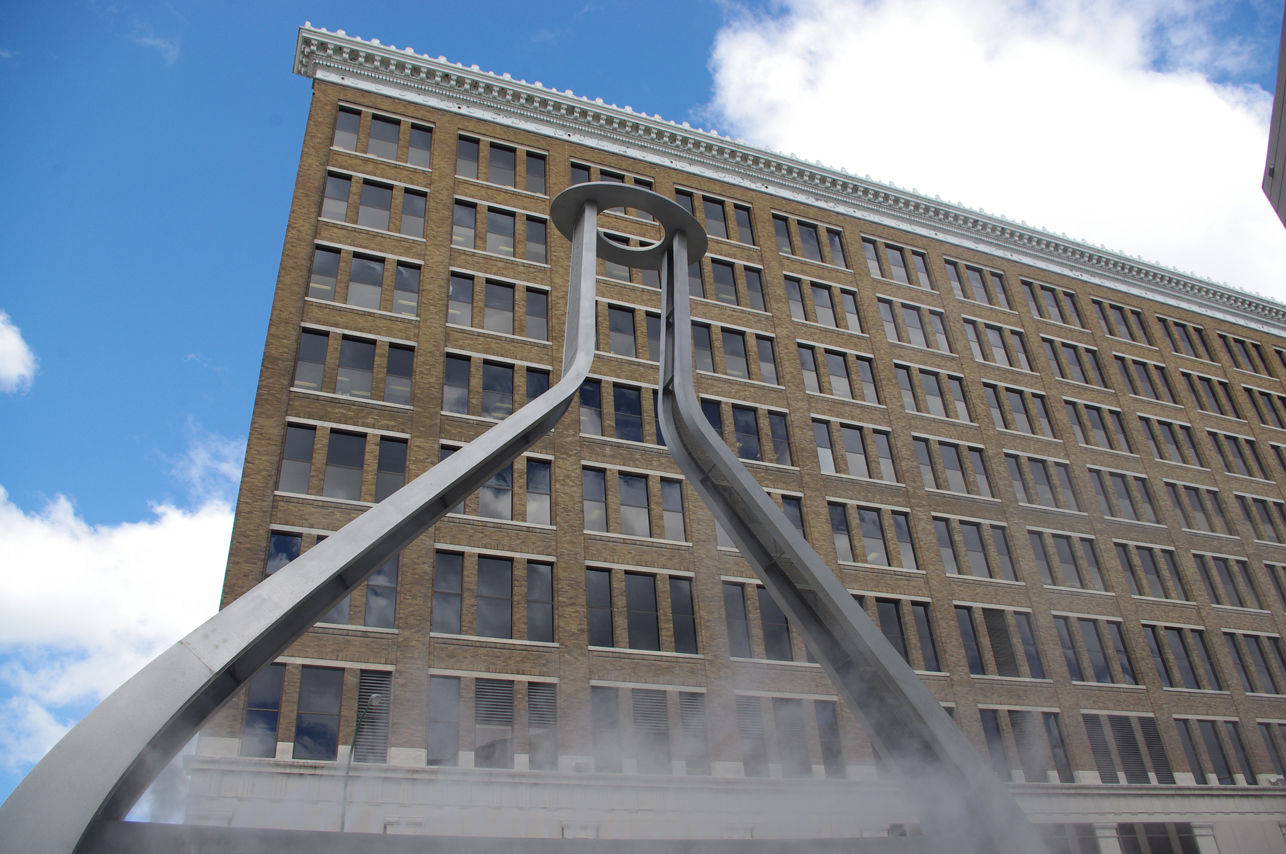
The buildings were constructed with steel frames and brick from Don Valley Brick Co., a custom brick manufacturing company from Toronto. Both towers were designed with decorative white cornices wrapping around the Donald Street, Graham Avenue, and Hargrave Street facades.
After accumulating $20 million in debt Eaton’s decided to sell the block containing the buildings. In 1977 the Mail Order Buildings, annex, powerhouse, and parkade were sold to Eaton’s Place Holdings of Vancouver for $10.8 million. That same year, the annex was demolished. Vancouver architects Eng and Wright were hired to re-design the space and they came up with a budget of $30 million. The money helped build 200,000 square feet for retail space on the first and second floors, parking with room for 500 vehicles on the next two floors, 150,000 square feet on the fifth and sixth levels for merchandising space, and the final three floors would allow for 300,000 square feet of space to be used for offices and a health club with an atrium roof. As plans were carried out the merchandising floors became extra office floors and the health club was dropped from the plans. The exterior was kept in its original design.
The plan also included a second phase that comprised a $70-million hotel that was never constructed. The newly renovated mall was opened in 1979, housing 80 stores and eventually theatres. The mall’s central feature was the Eaton’s Place fountain.
By 1994-95 the mall underwent major renovations to increase the size of the shops and update the decor. These renovations were designed by Number Ten Architectural Group. Despite the new renovations, the popularity of the mall took a deep decline with the closure of the Eaton’s department store next door in 1999. In 2001 the new owners, Osmington Inc., rebranded the mall with the construction of the new MTS Centre. The name City Place was given to the mall in a naming contest and despite hopes, the name change and newly opened MTS Centre didn’t help its popularity.
Huntington REIT, a real estate investment firm had an interest in the parkade and purchased it in 2005, later purchasing the whole building for $65 million in 2006. It rented space to retail businesses in the mall and the offices were rented in the two old Mail Buildings. In February 2009, Huntington REIT sold the building to one of its long-term tenants, Manitoba Public Insurance, for $80.5 million. The purchase also included the two adjacent surface parking lots.
Design Characteristics
| Materials: | brick, steel Steel frame, custom brick |
|---|---|
| Neighbourhood: | Downtown |
- Two skywalks: one extends to the BellMTS Centre and the other connects to the True North Centre
- Decorative cornice along the top of both towers